Regulation in Crypto
The cryptocurrency space has evolved from an experimental technology into a trillion-dollar market attracting institutional money and global attention. But with that growth comes a crucial force shaping the future of digital assets: regulation.At CoinByte, we believe informed traders are empowered traders. Understanding the regulatory environment is essential — not only to ensure compliance, but also to make smarter investment decisions. Here's what every crypto investor should know.
Why Regulation Matters in Crypto
Regulation plays a pivotal role in stabilizing the market, protecting investors, and encouraging innovation. While crypto was born from a spirit of decentralization, oversight is inevitable as adoption grows.Key reasons regulation is important:
- Investor protection: Reduces fraud, rug pulls, and scams.
- Market stability: Promotes healthy competition and trust.
- Institutional adoption: Large funds require clear legal frameworks.
- Onboarding new users: Compliance makes platforms safer and more accessible.
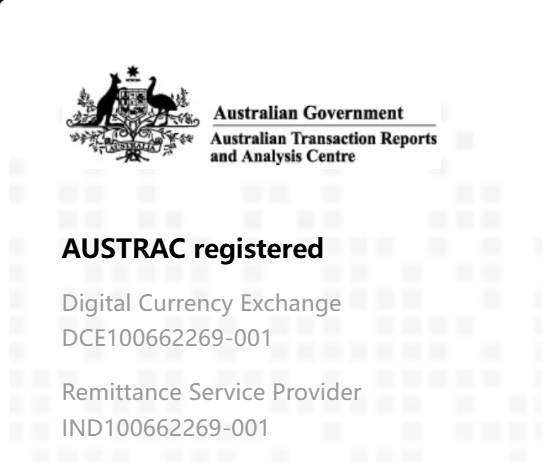
CoinByte is ASIC & AUSTRAC registered in Australia and Financial Service Providers registered in New Zealand

The Global Patchwork of Crypto Laws
One of the challenges investors face is that crypto regulation varies significantly by jurisdiction. Some countries embrace digital assets; others impose restrictions or outright bans.Examples of differing approaches:
- United States: Regulated as securities, commodities, or both depending on the asset. Uncertainty around classification is ongoing (e.g., SEC vs. Ripple).- European Union: MiCA (Markets in Crypto-Assets Regulation) aims to unify and clarify crypto rules across member states.
- Asia-Pacific: Japan leads in regulation maturity, while China bans most crypto activity. Hong Kong and Singapore encourage innovation under strict licensing frameworks.
- Latin America & Africa: Increasing use of crypto as inflation hedges and remittance tools, often ahead of formal regulation.
Central Bank Digital Currencies (CBDCs) and Their Impact
Governments are also exploring CBDCs, or blockchain-based national currencies. These differ from cryptocurrencies like Bitcoin but signal that crypto tech is here to stay.How CBDCs affect the crypto space:
- Increased legitimacy:Blockchain-based systems gain wider acceptance.- Competition for stablecoins: CBDCs may challenge the role of USDT, USDC, etc.
- Surveillance concerns: Unlike crypto, CBDCs may lack privacy features.
- Bridges to regulation:Governments more likely to regulate digital assets alongside their CBDCs.
Compliance and KYC: What It Means for Users
Most centralized exchanges (like CoinByte) implement KYC (Know Your Customer) and AML (Anti-Money Laundering) protocols to meet regulatory obligations. You can view our KYC and AML policyWhy you should care:
- Access to more features:Many advanced trading tools and fiat onramps require verified accounts.- Faster withdrawals and higher limits: KYC unlocks more flexibility.
- Protection against identity fraud:A robust KYC process secures your assets.
At CoinByte, we’re committed to making KYC straightforward while keeping your data private and encrypted.
How Regulation Affects Crypto Prices
Traders need to understand how news related to regulation can affect asset prices in both the short and long term.Common patterns:
- FUD (Fear, Uncertainty, Doubt) around crackdowns → short-term dips-Approval of ETFs or legal clarity → bullish momentum
-Exchange lawsuits or delistings → sudden volatility in token prices
-Licensing approvals → rise in native exchange tokens (e.g., BNB, OKB)
Monitoring regulatory news is part of risk management. CoinByte provides timely market alerts and educational updates to keep you informed.
CoinByte’s Commitment to Compliance
As a registered and transparent platform, CoinByte works proactively with regulatory bodies to meet evolving requirements while preserving user experience.Our compliance approach:
- Secure onboarding with seamless KYC
-Adherence to AML laws and local financial guidelines
-Regular audits and transparency reports
-Education-first philosophy to keep users informed
This allows you to focus on trading and investing with confidence.
What to Expect in the Future
The coming years will likely bring greater clarity and coordination between global regulators — and this could be a net positive for the crypto market.Expected developments:
- Stablecoin legislation:Defining rules for issuers like Tether or Circle- Clear asset classification: Security vs. commodity vs. utility token
- Exchange registration requirements:Ensuring safer marketplaces
- DeFi regulation: A new frontier requiring novel frameworks
Smart investors should be prepared to adjust portfolios based on shifting legal landscapes — and CoinByte will be here to help you interpret the changes.
Disclaimer
This article is for informational purposes only and does not constitute financial, legal, or investment advice. Cryptocurrencies are subject to market risk and volatility. Please consult a qualified advisor before making any investment decisions.© 2025 CoinByte. Some content in this article may have been adapted or generated with the assistance of AI tools.
 行业分析CoinByte Weekly Wrap: ASIC Extends CFD Oversight, JPMorgan Reports US$50B InflowsHappy Friday! Welcome to the 40th instalment of the Coinbyte Weekly Wrap. The market traded in a relatively tight but volatile range this week, with Bitcoin moving between approximately US$79,700 and US$84,200 before stabilising around US$82,200. BTC briefly climbed above US$84,000 early in the week
 行业分析CoinByte Weekly Wrap: CFTC Proposes New Crypto Rules, Bitcoin Nears Key Technical SignalHappy Friday! Welcome to the 39th instalment of the Coinbyte Weekly Wrap. The market traded on a weaker footing this week, with Bitcoin moving between a weekly high of around US$86,972 and a low of approximately US$80,337 before settling at around US$81,809. Based on the seven-day data provided, BTC
 行业分析CoinByte Weekly Wrap: Altcoin Volume Nears 4× BTC, Crypto Adoption ExpandsHappy Wednesday! Welcome to the 38th instalment of the Coinbyte Weekly Wrap. The market traded on a softer footing this week, with Bitcoin moving between a high of US$87,265.49 and a low of US$82,570.72 over the past seven days. BTC is currently priced at US$83,089, compared with a Sep. 23 close of U