What is Core Concepts composed of?
These components form the security, transparency, and automation backbone of blockchain networks. Understanding them is crucial before moving on to tokens, trading, or decentralized applications.
1. Blockchain
A distributed ledger where transactions are grouped into time-stamped “blocks” and cryptographically linked. Every node stores and verifies the chain, making data tamper-resistant.
2. Decentralization
Rather than relying on a central authority (like a bank), a decentralized network distributes control across many nodes. No single party can unilaterally change the ledger.
3.Consensus Mechanism
How nodes agree on the state of the ledger. Common types:
- Proof of Work (PoW): Miners solve cryptographic puzzles (e.g., Bitcoin).
- Proof of Stake (PoS): Proof of Stake (PoS): Validators lock up (“stake”) tokens and are randomly chosen to create blocks (e.g., Ethereum post-Merge).
3. Smart Contract
Self-executing programs encoded on the blockchain. Once deployed, they trigger actions automatically when predefined conditions are met—no middleman required.
4. Mainnet / Testnet
Mainnet handles real assets and transactions. Testnets are practice networks for developers—no real value at stake.
5. Gas / Gas Fee
Every operation (transaction, contract call) consumes “gas,” a unit representing computational effort. Users pay gas fees in the chain’s native token (e.g., ETH on Ethereum) to compensate validators.
6. Hash
Deterministic cryptographic functions map any input size to a fixed-length output (“hash”). They ensure data integrity: even a tiny change in input yields a completely different hash.
7. Public/Private Keys & Addresses
- Private Key: A secret alphanumeric value used to sign transactions.
- Public Key: Derived mathematically from the private key; used to generate your on-chain address, akin to an account number.
8. Block Height
The number of blocks preceding a given block in the chain. It measures how many “generations” of data exist since the genesis block.
Disclaimer
This article is for informational purposes only and does not constitute financial, legal, or investment advice. Cryptocurrencies are subject to market risk and volatility. Please consult a qualified advisor before making any investment decisions.
© 2025 CoinByte. Some content in this article may have been adapted or generated with the assistance of AI tools.
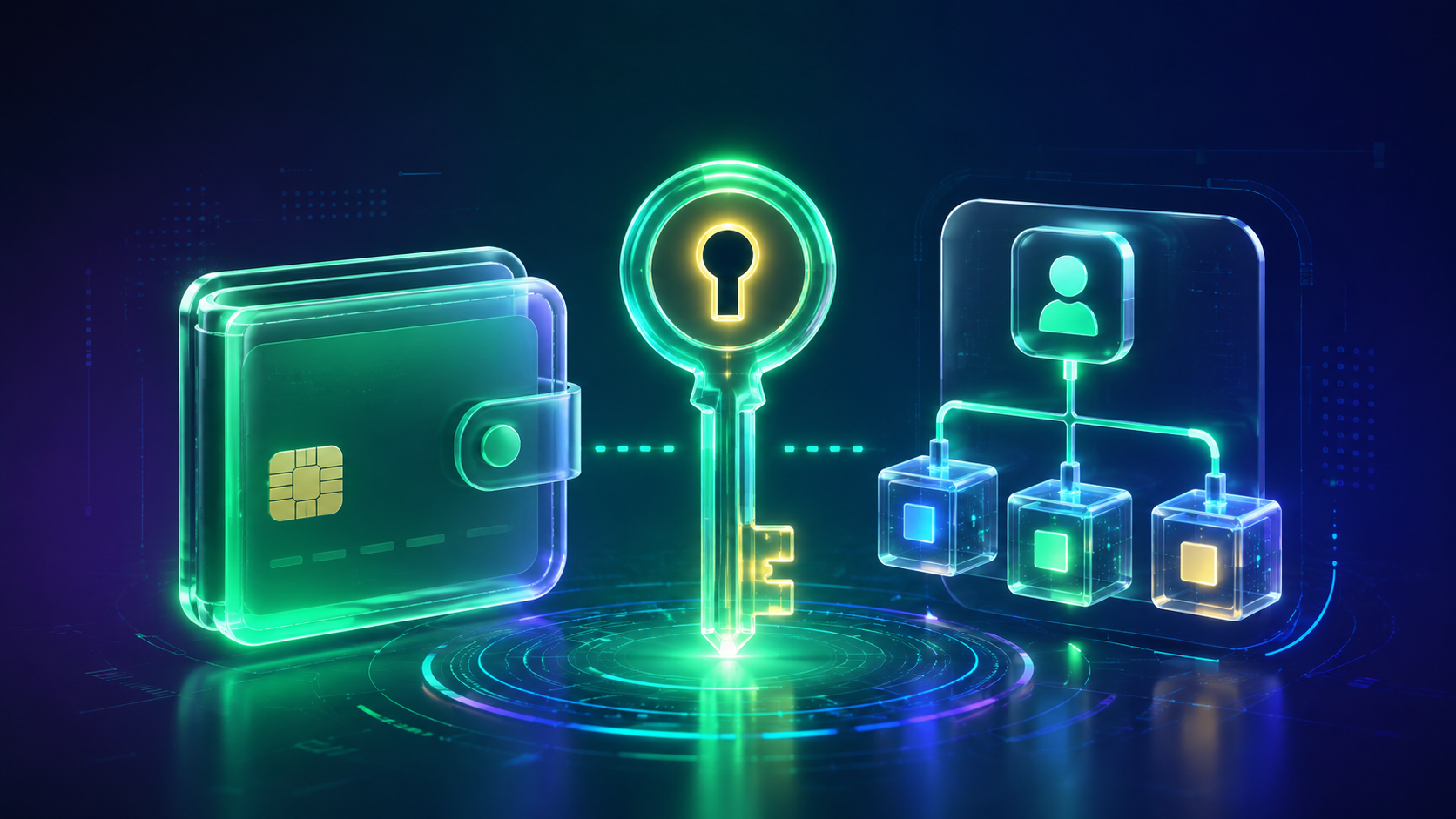 区块链词汇表Wallets, Keys & Account ModelsSecure Access and Advanced Account CapabilitiesIn the decentralized world of crypto, your wallet and key management practices directly determine your security and flexibility. Understanding how different wallet models, account types, and advanced features work is crucial to balancing convenience, sa
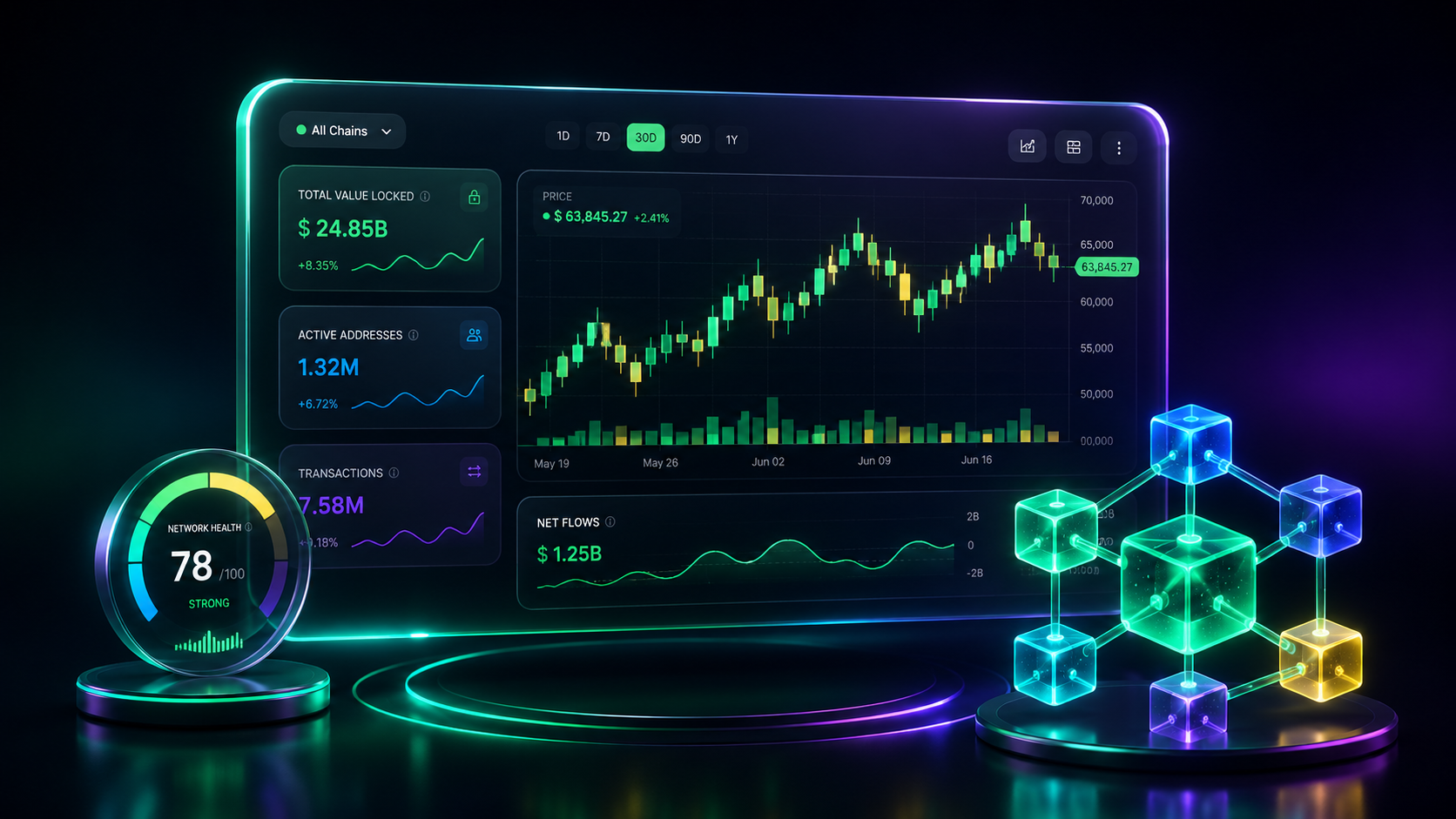 区块链词汇表Data, Metrics & On-chain AnalysisKey Indicators to Gauge Market Health and SentimentUnderstanding crypto market health goes beyond just looking at price. Traders and investors can analyze key indicators to evaluate network activity, liquidity conditions, and overall market sentiment. These metrics empower traders to identify trends
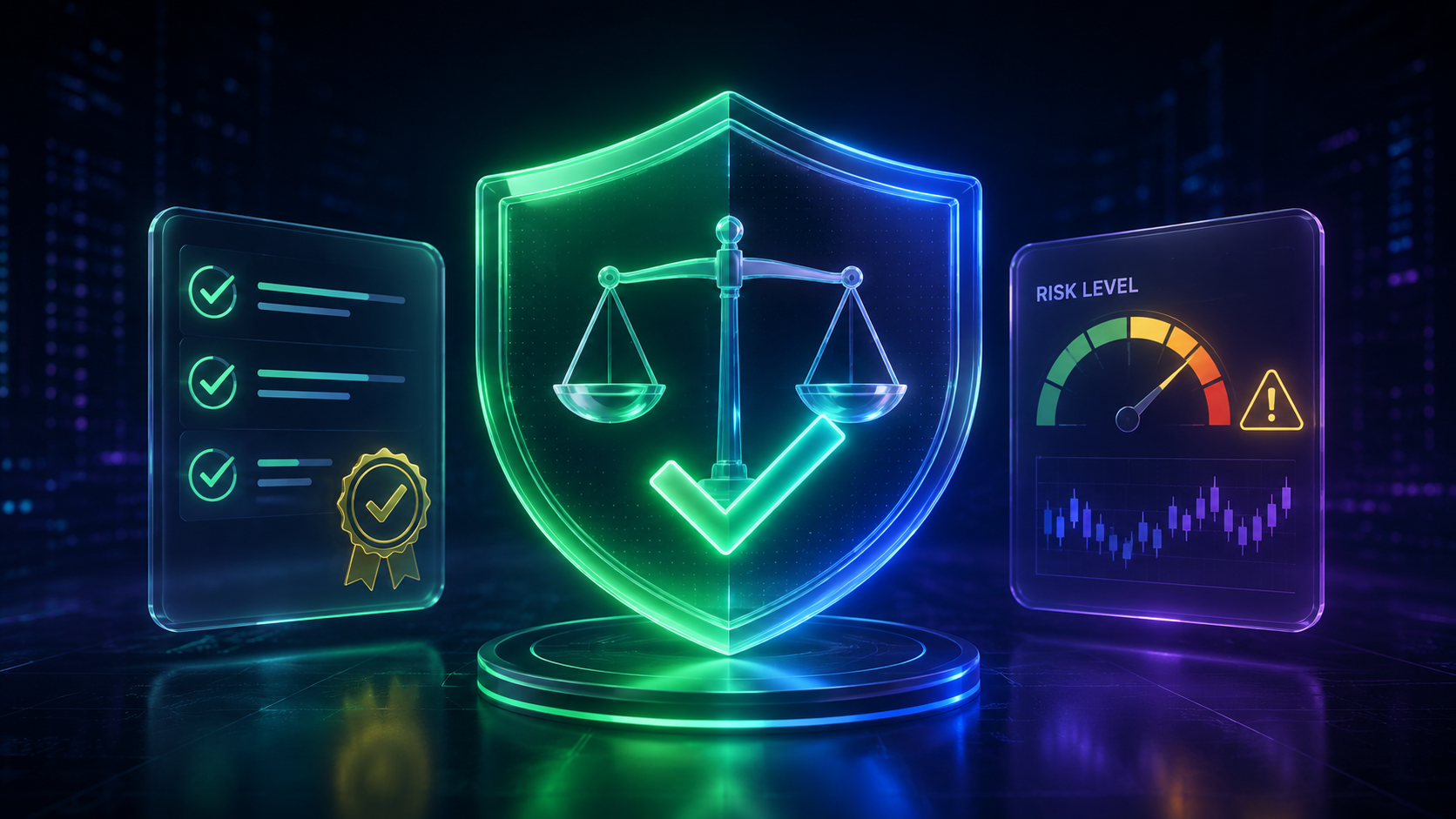 区块链词汇表Security, Risk & ComplianceKey Blockchain Security and Compliance TermsThe crypto world offers exciting opportunities, but it also comes with risks that traders and investors need to understand. From managing your keys to avoiding common attacks, learning these foundational terms will help you navigate safely. Key ManagementKe