Investing in crypto isn’t just about picking one coin and hoping for the best. A thoughtful, diversified portfolio can help you manage risk, capture growth opportunities, and build long-term confidence — especially in a volatile market like crypto.
Here’s how to structure your crypto portfolio with smart diversification principles in mind.
Why Portfolio Diversification Matters
Diversification means spreading your investments across different assets or sectors to reduce exposure to any single risk.In crypto, different coins behave differently. For example, Bitcoin may move with the market, while a DeFi token may react to network upgrades or regulatory news. By holding a variety of assets, you smooth out your returns and protect yourself from major drawdowns.
1. Understand Your Risk Profile
Before investing, ask yourself:
- Are you a long-term holder or short-term trader?- How much volatility can you tolerate?
-Are you investing money you can afford to lose?
Your answers should determine how aggressive or conservative your portfolio is. For beginners, it’s often better to start with more stable assets and add riskier ones later.
2. Use the Core-Satellite Approach
A common strategy in crypto investing is the "Core-Satellite" model:
- Core (60–80%): Reliable, high-cap coins like BTC and ETH. These are long-term holdings with strong liquidity and track records.- Satellite (20–40%): Smaller-cap tokens with higher upside (and risk). Examples include DeFi, Layer 2, GameFi, or newer altcoins.
This structure gives your portfolio a stable foundation while allowing room for growth through smaller, emerging assets.
3. Diversify Across Categories
Don't put all your money into one sector. Consider spreading your holdings across different categories, such as:- Store of value: Bitcoin
- Smart contract platforms:Ethereum, Solana, Avalanche
- DeFi: Uniswap, Aave, Curve
- Layer 2 scaling:Arbitrum, Optimism
- Web3/NFT infrastructure: Render, Chainlink
- Stablecoins:USDT, USDC (as cash equivalents)
This helps reduce risk if one sector underperforms.
4. Consider Stablecoins for Flexibility
Holding a small portion of your portfolio in stablecoins can give you:- Protection during market downturns
- Quick access to capital when opportunities appear
- Reduced overall volatility
Some users even earn passive income by staking or lending stablecoins, though this also carries platform and smart contract risks.
5. Rebalance Regularly
Over time, some assets in your portfolio may grow or shrink significantly. Rebalancing means adjusting your holdings back to your original target percentages.Example: If Ethereum grows and now takes up 60% of your portfolio (but your target was 40%), you can sell part of it and redistribute the funds to other assets.
Rebalancing helps you lock in profits and maintain your desired risk level.
6. Avoid Over-Diversification
More isn’t always better. Holding 30 different coins can make it harder to track news, performance, or risk. A focused portfolio of 5–10 well-researched assets is often more effective than chasing every trending token.7. Explore your total asset
CoinByte provides portfolio overview dashboards, you can view your asset contribution here: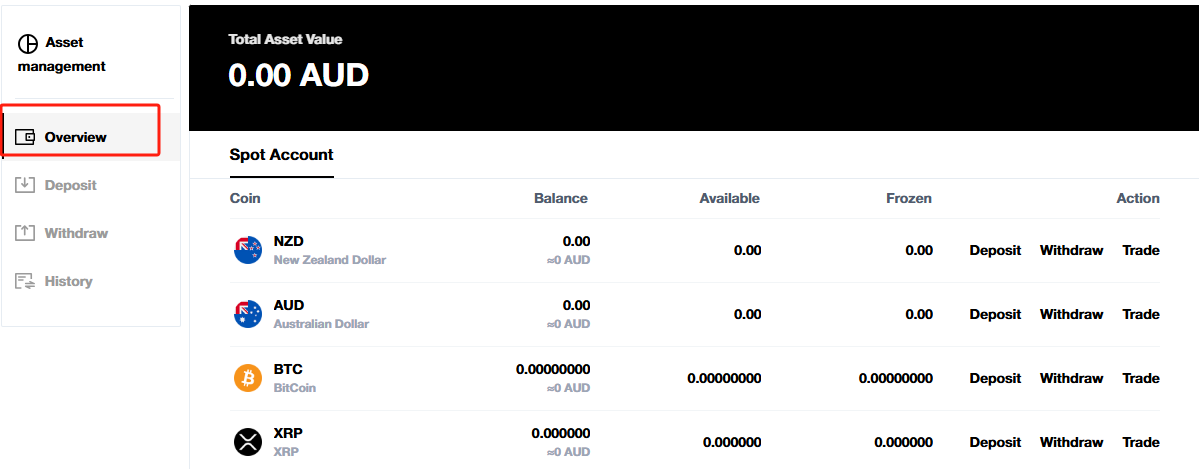
Please view full articles in our Support Center to learn more about Explore your total asset.
Disclaimer
This article is for informational purposes only and does not constitute financial, legal, or investment advice. Cryptocurrencies are subject to market risk and volatility. Please consult a qualified advisor before making any investment decisions.
© 2025 CoinByte. Some content in this article may have been adapted or generated with the assistance of AI tools.
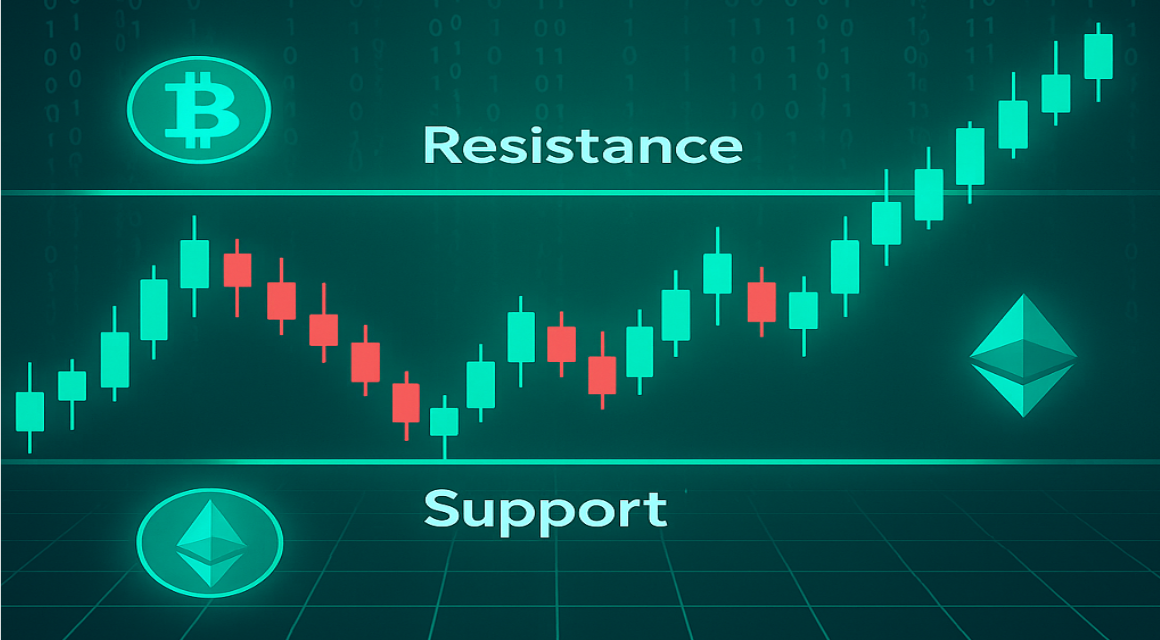 交易思路How to Identify Support and Resistance Levels in Crypto ChartsSupport and resistance help traders spot price zones where crypto assets are likely to pause, bounce, or reverse.
 交易思路Dollar-Cost Averaging (DCA): Recurring BuyWhat Is Dollar-Cost Averaging (DCA)?cryptocurrency can be intimidating, especially with its high volatility. One proven strategy to manage risk and build long-term positions is Dollar-Cost Averaging (DCA). DCA is an investment strategy where you divide your total investment into smaller, fixed amoun
 交易思路TradingView for CryptoTo learn how to use CoinByte's TradingView and it's tools.